Photography Gear

Gear isn't everything — but it's not nothing either. This section covers the cameras, lenses, accessories, and equipment that photographers actually use, with an eye toward helping you make smart decisions rather than just chasing the latest release. Expect news, analysis, hands-on impressions, and the occasional reality check on whether that upgrade is actually worth it.

PMI's New 'Vanishing Fog' Makes Adding Smoke Easier Than Ever

 I used to think all fog machine liquid was the same. Never once had I considered that a new fog formula could be far better than what I've been using for decades. PMI's Vanishing Formula Kit has changed my opinion, and today I test it against three of the most popular portable fog systems on the market. 
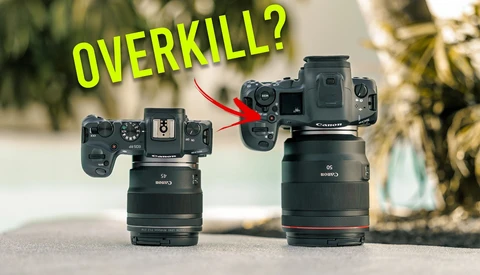
Which Is Right for You? Canon's R6 Lineup Compared: Mark II vs. Mark III vs. R6 V

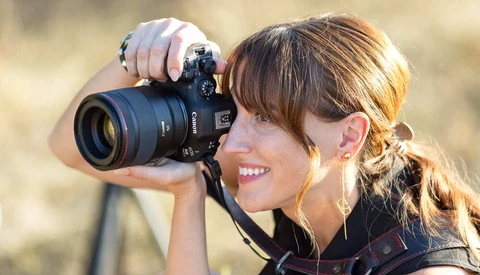
The Canon EOS R6 used to be a simple recommendation. You wanted a full frame hybrid that did a little of everything well without costing as much as the R5, so you bought the R6, and that was the end of the conversation. That clarity is gone. The line has split into three very different cameras that happen to share a name, and choosing between them now means knowing what kind of shooter you actually are. The good news is that once you sort that out, the right answer becomes obvious, because Canon has aimed each of these bodies at a genuinely different person.

Fujifilm X100VI vs. Panasonic Lumix LX10: Which Compact Is Actually Better for Travel?

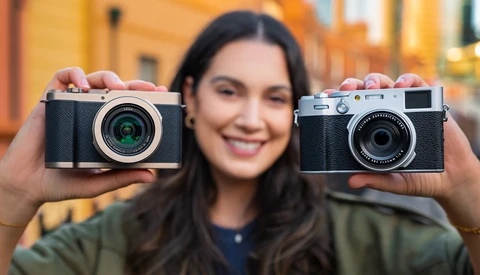
Choosing a compact travel camera is harder than it looks, especially when two solid options sit at very different price points with very different sensor sizes, lenses, and feature sets. The Fujifilm X100VI and the Panasonic Lumix LX10 both pitch themselves as small, capable everyday cameras, but they take genuinely different approaches to getting there.

The Case for Micro Four Thirds Sensors in 2026

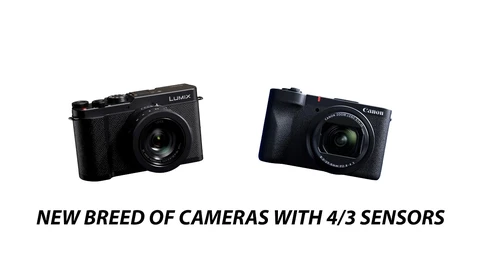
The Canon V1 and Panasonic Lumix L10 are two of the most interesting cameras in recent memory, and not because they're pushing sensor size upward. They're doing the opposite, and making a case that a Four Thirds sensor might be exactly what most people actually need right now.

My Amazon Prime Day Pick: The OBSBOT Tail 2

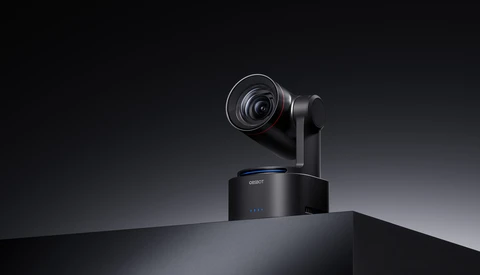
Prime Day is an excellent opportunity to pick up top tech at lower prices, but it can be a little overwhelming when browsing through all the products on offer. The OBSBOT Tail 2 is one such product, which we previously reviewed and recommended, and now has a great Prime Day deal. From vloggers, creators, and YouTubers to live-streaming conferences and gatherings of all kinds, this little PTZR camera is the camera crew that fits in your pocket.
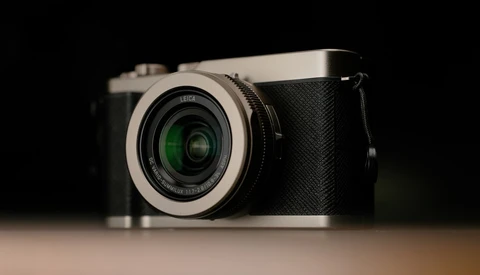
The Panasonic L10 Is the LX100 Successor Nobody Expected

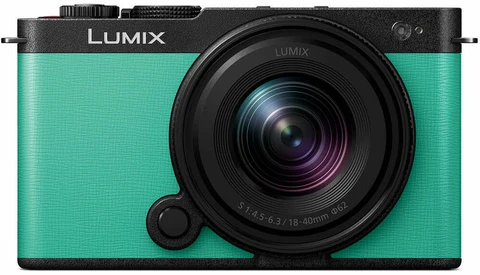
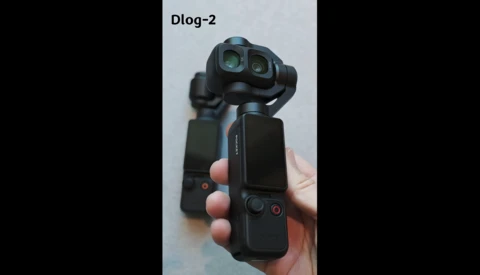
The Panasonic L10 lands in a genuinely narrow space: a compact camera with a large sensor, a zoom lens, and serious video features. If you've wanted something between a Ricoh GR IV and a full-blown mirrorless kit, this camera makes a real case for itself.

We Review the Neewer Q120 Outdoor Strobe Flash

The Neewer Q120 is a compact 120 Ws TTL pocket strobe aimed at photographers who want more power than a speedlight without carrying a full-size studio flash. After using it for outdoor portraits and location shoots, I found it surprisingly capable for its size. Compact and lightweight, the Q120 is clearly designed for outdoor and location shooting, but is it worth adding to your kit bag?

7Artisans 35mm f/2.8 M Mount: A Tiny Lens With Classic Rangefinder Charm

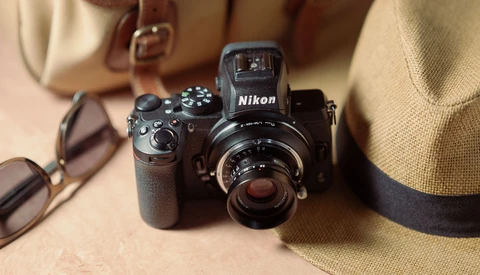
If you think the 7Artisans 35mm f/2.8 M Mount lens looks like it belongs to another era, you'd be quite correct. It was inspired by the compact optics used on Leica's early Barnack cameras in the 1930s. This tiny beauty, weighing just 88 g, embraces simplicity, portability, and character in a way that many modern lenses have forgotten.

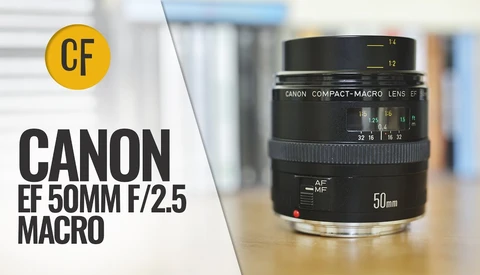
The Canon EF 50mm f/2.5 Compact Macro Is 40 Years Old. Here's How It Holds Up.

Canon's oldest EF mount lenses are worth a second look now that they adapt so cleanly onto modern mirrorless bodies. The Canon EF 50mm f/2.5 Compact Macro is one of the more interesting cases: a lens from 1987 that regularly sells for under $100 on eBay and still communicates fully with current Canon R-series cameras, including in-body stabilization and in-camera corrections.

The 10 Most Important Camera Settings: A Plain-Language Glossary for Beginners

A new camera presents you with hundreds of settings, and the manuals that explain them are written as if you already understand the vocabulary. You do not need to learn all of it. You need to understand about ten settings well, because those ten control almost everything about how your photographs turn out. Here is what each one does, in plain language, without the jargon that makes photography sound harder than it is.

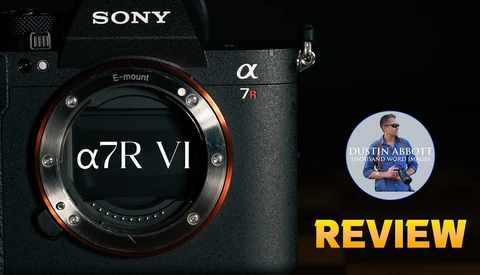
The Sony a7R VI Has the Best Full Frame Sensor Ever Made. Here's the Catch.

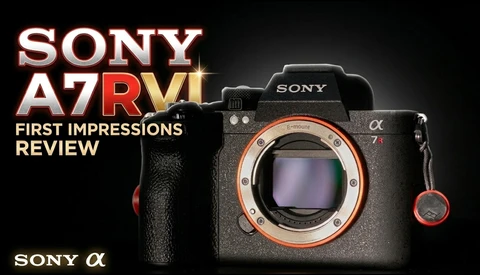
The Sony a7R VI raises the resolution bar for full frame cameras to 66.8 megapixels on a fully stacked sensor, and that combination produces results that will make you rethink how much camera you actually need. The stacked design isn't just about pixels — it's what allows the a7R VI to shoot 30 frames per second with full autofocus and a blackout-free viewfinder at that resolution.

40-150mm Plastic Fantastic: Can a $100 Lens Actually Deliver?

Sharpness is one of photography's most debated specs, and it's also one of the most overrated. The Olympus 40-150mm f/4-5.6 R is widely considered one of the least sharp lenses in the Micro Four Thirds lineup, and Chris Baitson decided to take it out for a full shooting session anyway.

Viltrox 28mm F/4.5 L Review: An L-Mount Lens With the Size of a Body Cap

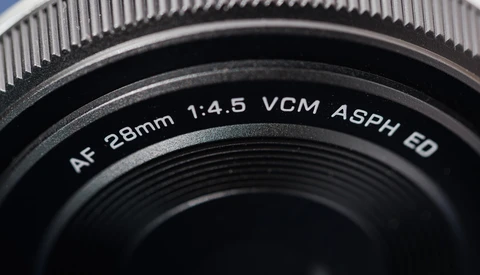
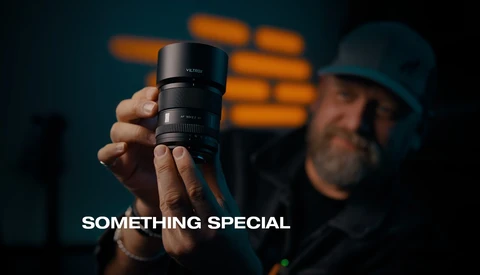
Behind every lens decision is a balancing act between autofocus, portability, and excellent optical quality. It usually feels like you can only pick two. But with the introduction of Viltrox's second L-mount lens, the AF 28mm f/4.5 L, we might have just found a recipe that genuinely delivers on all three fronts by making the compromise elsewhere: a fixed, slower aperture. In this article, I will be putting this tiny lens to the test to see if it actually holds up its end of the bargain—translating a spec sheet into real-world performance.

Should The Camera Industry Make a Left-Handed Camera?

Roughly 10% of the global population is left-handed. That is approximately 800 million people. In almost every industry that manufactures hand-operated tools, those 800 million people can buy a product designed for them. In the camera industry, they cannot.

Gear Doesn’t Matter. Yes it Does

Trying different genres of photography can be both challenging and rewarding, especially when you either feel like a change or when the seasons force your hand. But have you ever considered infrared?

How to Set Up Back-Button Focus (And Why So Many Pros Swear by It)

Almost every camera you have ever used works the same way out of the box: press the shutter button halfway to focus, press it all the way to take the photo. One button, two jobs. It is so intuitive that most photographers never question it. You half-press, the camera focuses, you press the rest of the way, the shutter fires. Simple.

The Viltrox 90mm f/2.2 Evo Is Surprisingly Hard to Put Down

The Viltrox 90mm f/2.2 Evo is one of those lenses that shouldn't perform as well as it does at its price. At $369, it sits in territory where you'd normally make compromises on sharpness, autofocus, or build quality, and this lens largely refuses to do that.

Your Camera Is an Object. It Should Be a Beautiful One.

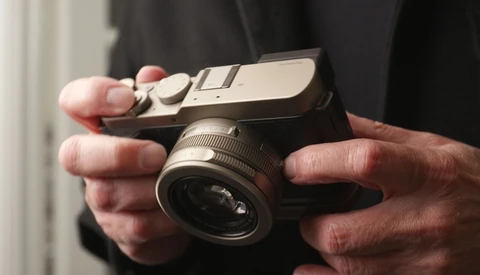
Somewhere in a closet or on a shelf, many photographers have a camera they love holding. Not because it has the best sensor or the fastest autofocus or the most impressive spec sheet, but because it feels right in the hand and looks right hanging from the neck. The texture of the grip. The color of the body. The glint off a machined aluminum dial when you tilt the camera in your hand. These are not specifications. They are qualities, and they affect how often the camera leaves the house, which is the only variable that determines how many photographs get made.

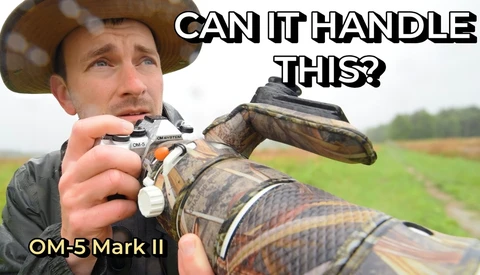
The OM System OM-5 Mark II Gets Put Through a Brutal First Field Test

Picking the right weather-sealed camera for wildlife shooting in genuinely rough conditions is harder than it sounds, and most reviews don't test gear the way it actually gets used. Todd DeWald took the OM System OM-5 Mark II out for its first field session in 45-degree, rainy, wind-blown grassland conditions to find out exactly what this camera can handle before committing to a full month of testing.

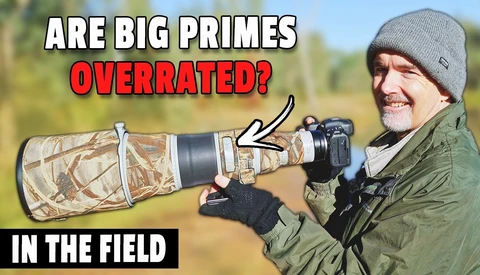
The Real Reason Wildlife Shooters Switch From Primes to Zooms

Shooting wildlife with a 500mm prime is a commitment. The reach, the image quality, the background compression — nothing quite replicates it, but there are real trade-offs that push even experienced wildlife shooters toward zoom lenses over time.

The Camera Market Is Shrinking. But That’s Not the Story.

Every few months the same narrative comes back: "The camera industry is dying." It sounds clean, dramatic, and easy to share. But the camera industry isn't really dying. It already lost 90% of its market and learned how to call it "stability." 

The Panasonic Lumix L10 Might Be the Perfect Journal Camera

Picking a camera that's always with you is harder than it sounds, and most people get it wrong by chasing specs instead of asking what the camera is actually for. The concept of a "journal camera" reframes that question entirely, and it's one of the more useful ideas you'll encounter if you're trying to figure out which second camera actually makes sense.

Every Camera System's Best-Kept-Secret Lens

Every lens catalog has a flagship tier. These are the lenses that dominate reviews, anchor marketing campaigns, and justify the system's reputation: the Canon RF 24-70mm f/2.8 L, the Sony FE 70-200mm f/2.8 GM II, the Nikon Z 50mm f/1.2 S. They deserve the attention. They are genuinely excellent. And they are not the lenses that most photographers would benefit from buying next.

Small APS-C Cameras, Big Results: Travel Photography Kits That Don’t Weigh You Down

I was in Bilbao earlier this year, and a photographer appeared from around a narrow backstreet with a massive backpack and a huge full frame camera and zoom lens hanging from his neck. He carefully took the obviously heavy pack off and placed it on a chair outside a cafe. The relief on his face, to take a break from lugging all that weight around, was telling.

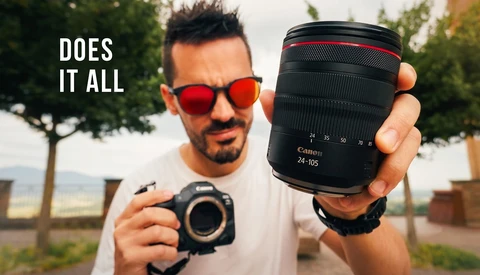
Canon RF 24-105mm f/4L Review: 2,000 Photos Later, Was It Enough?

The Canon RF 24-105mm f/4L IS USM is one of those lenses that tends to get overlooked once you've moved on to faster glass. If you've been shooting with f/2.8 zooms and primes, it's easy to assume the f/4 version isn't worth reaching for anymore.

Why Your Next Upgrade Should Be a Lens, Not a Camera

The most common question beginners ask after buying their first camera is some version of "what should I upgrade to next?" The answer they expect is a better camera body. The answer that will actually improve their photographs is almost always a better lens.

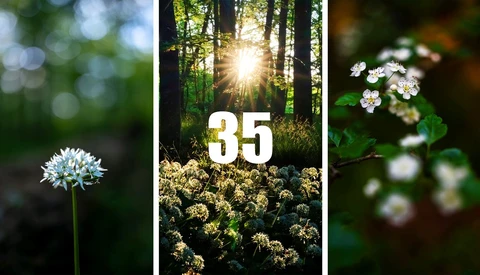
What Happens When You Shoot Landscapes at f/1.2

The Viltrox 35mm f/1.2 is built for portraits and low light, but Mads Peter Iversen took it into the forest for landscape work to see how far it can stretch. That tension between a wide-open prime and a genre that typically demands stopped-down sharpness makes for a genuinely interesting test.

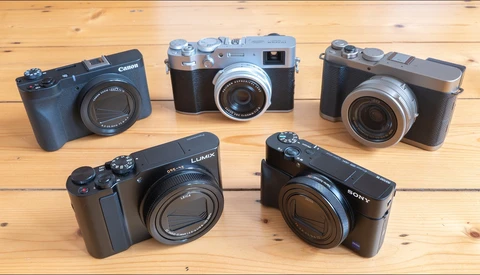
Five Premium Compact Cameras Tested Side by Side: Which One Actually Wins?

Choosing a premium fixed-lens compact camera is harder than it looks, because the category spans everything from true shirt-pocket cameras to chunky near-mirrorless bodies, and the right answer depends almost entirely on what you actually shoot. The Canon PowerShot V1, Fujifilm X100VI, Panasonic Lumix LX10, Panasonic Lumix ZS300, and Sony RX100 VII are not variations on the same theme; they make fundamentally different tradeoffs across sensor size, lens range, portability, and price.

Hasselblad X2D II vs. 907X 100C: Same Sensor, Very Different Cameras

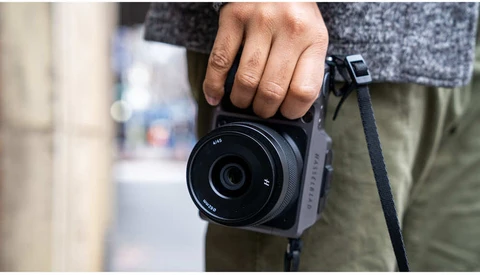
Choosing between the Hasselblad X2D II and the Hasselblad 907X 100C is genuinely difficult, and not just because both cost the same and share the same 100-megapixel sensor. The decision comes down to something more personal than specs, and getting it wrong at this price point is an expensive lesson.

5 Lenses Nobody Gets Excited About That Produce More Photos Than Anything in Your Bag

Photography publications, including this one, spend most of their editorial energy on exciting lenses. The fastest aperture in the category. The sharpest optic in the lineup. The new release that leapfrogs last year's model. The GM, the Art, the L-series, the S-Line flagship. These are the lenses that generate press coverage, forum arguments, and YouTube thumbnails with wide-eyed reviewers holding glass that costs more than a used car.

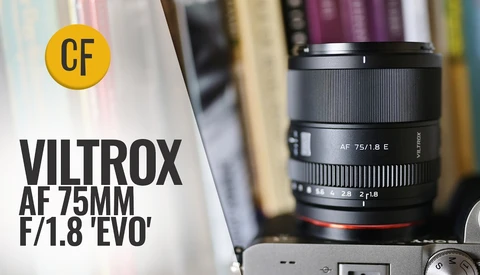
The Viltrox AF 75mm f/1.8 Review: A $329 Portrait Lens That Actually Delivers

The Viltrox AF 75mm f/1.8 is a short telephoto portrait lens for APS-C mirrorless cameras, giving you a full frame equivalent of around 113mm. At $329, it sits in a price range where quality can vary wildly, and whether Viltrox has delivered something genuinely worth the money is exactly what this review puts to the test.

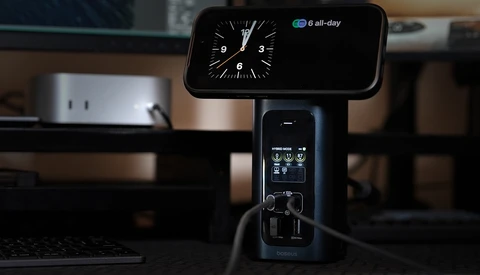
Going Off-Grid: The Plug-and-Play Bluetti Balco for Creative Spaces

Have you ever wanted to run away to a cabin in the woods, live off grid, and just create freely? It sounds like a dream, but modern photo and video workflows require too much power to make it a reality, that is, until now. I traveled to Paris for the global launch of the Bluetti Balco series to find out how its new plug-and-play solar ecosystem lets creators generate and store their own energy on location.

The Camera Industry Treats Beginners Like Future Professionals. Most of Them Are Not.

The camera industry is built on a ladder. At the bottom, there is a $600 to $800 entry-level body with a kit zoom, often no in-body stabilization, a single card slot, a plastic build, and a thin lens ecosystem. At the top, there is a $3,000 to $6,000 professional body with IBIS, dual card slots, weather-sealing, a magnesium alloy chassis, and an extensive lens lineup. In between, there are two or three rungs spaced at $500 to $1,000 intervals, each one adding features the rung below deliberately omitted. The structure is obvious when you look at it from above: every camera in the lineup is designed to make you want the one above it.

The Sony a7R VI Has Illuminated Buttons. Why Did It Take a Decade?

The Sony a7R VI arrived this month with 66.8 megapixels, a fully stacked sensor, 30 frames per second, and 8.5 stops of stabilization. The spec sheet is extraordinary. But the feature that will matter most to photographers who use their cameras after dark is one that does not appear in any resolution or burst-speed comparison: the rear buttons glow.

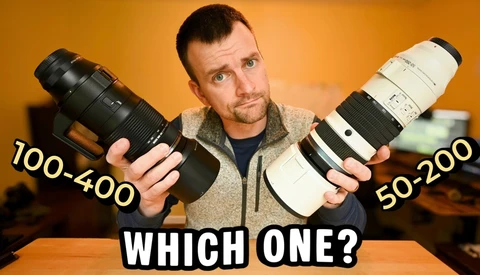
OM System 100-400mm vs 50-200mm f/2.8: Which Wildlife Lens Is Worth the Money?

Choosing between the OM System 100-400mm and the OM System 50-200mm f/2.8 is one of the more genuinely difficult calls in the Micro Four Thirds wildlife kit. Both cover similar ground in terms of size and weight, but they get to their results in completely different ways, and picking the wrong one for how you actually shoot will cost you.

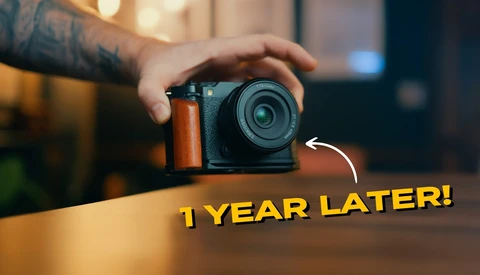
One Year With the Fujifilm X-M5: Is It Still the Best Camera Under $800?

The Fujifilm X-M5 sits at around $800 and punches well above that price with 6.2K open gate video, a 26-megapixel APS-C sensor, a mechanical shutter, and a hot shoe — specs that most competitors at this price point simply don't offer. After a full year of real-world use, McClure has a clear-eyed take on where this camera succeeds, where it falls short, and who it actually makes sense for.